Itinerary
Meet and greet at Cape Town International Airport. Our guide will meet you at the airport upon your arrival before embarking on your guided tour.
Tour of Cape Town. Also known as the Mother City, Cape Town is a rare cultural gem, resulting from the amalgamation of different nationalities and indigenous tribes. Alongside high-rise office blocks, a harmonious blend of architectural styles has been meticulously preserved, including Edwardian, Victorian, and Cape Dutch. Narrow, cobblestone streets and the Islamic character of the Bo-Kaap enhance the cosmopolitan ambiance. During your visit, you will see the Castle of Good Hope – this pentagon-shaped fort is the oldest surviving building in South Africa – and the Company's Garden – a large public park, originally Jan van Riebeeck's vegetable garden, which he grew to feed the original colony as early as 1652. The tour of this beautiful city introduces you to a rich culture and history.
Take in Cape Town’s city sights from Signal Hill. This prominent Cape Town landmark is named for its original use, the practice of flying signal flags to communicate with passing ships. Its peaks provide breathtaking views across Table Bay harbour, the City Bowl and the Atlantic Ocean, and the 350-metre high hill is a favourite destination for sundowners. Signal Hill lies adjacent to Lions Head, forming the ‘rump’ of the lion, and is also the location from which the historic Noon Gun is fired. The guns were once used in combat and as a time signal for ships anchored in the harbour. Today, this age-old tradition continues as they are fired at midday every day except Sundays and public holidays. By night, Signal Hill becomes one of the most popular spots for romantic rendezvous as amorous couples make their way up the hill for sundowners and stunning views of the city at night. In summer, this is also an excellent vantage spot from which to admire the floodlights that illuminate the steep embankments of Table Mountain.
Lunch in the waterfront
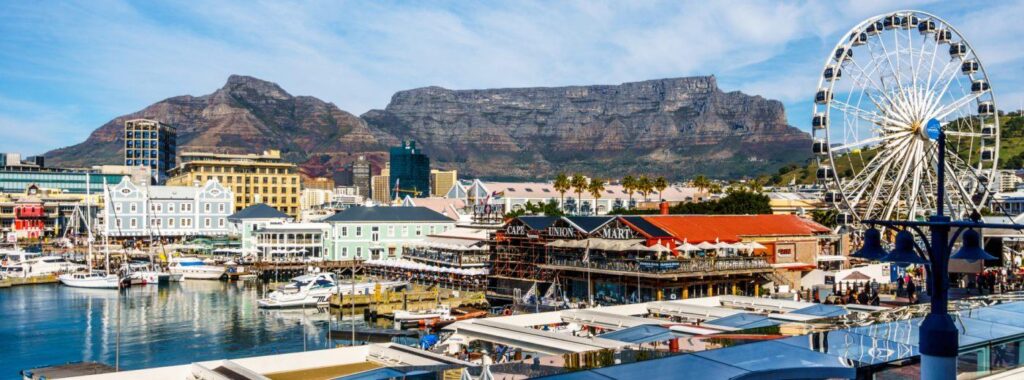
Explore the Victoria and Alfred Waterfront, situated at South Africa’s oldest working harbour in the centre of Cape Town. Offering over 450 retail outlets selling everything from high-end fashion and jewellery to food and crafts, the Victoria and Alfred Waterfront is one of Cape Town’s most popular destinations, attracting in excess of 23 million visitors a year. Besides offering vibrant and chic indoor and outdoor shopping and restaurants, you can also watch fishing boats dock with fresh fish or see a container ship being towed into the harbour by a tugboat. Drawbridges over the water open and close every so often to allow smaller sailing vessels access to the docks, while the Cape Wheel gives unsurpassed 360-degree views of the city, and the outdoor amphitheatre plays host to music, dance, and theatrical performances throughout the year.
Diner at the hotel
Boat cruise from Hout Bay Harbour to Duiker Island. The island is a sanctuary for thousands of Cape fur seals (actually sea lions originating from the Antarctic) as well as a variety of seabirds, including gannets, cormorants, and seagulls. It is illegal to land on the island, but the trip takes you within arm's reach of the seals, who seem to know they're the centre of attention and put up a fantastic performance, diving and twisting with amazing speed and agility (weather permitting).
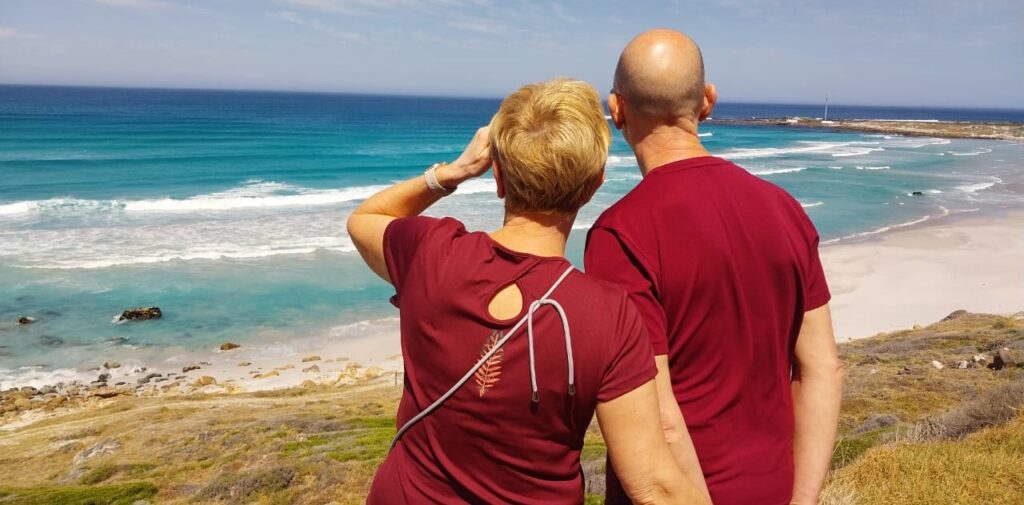
Visit the Cape of Good Hope Nature Reserve, recognised globally for its extraordinary land formation, rich and diverse fauna, and unique flora. The legendary Cape Point and Cape of Good Hope were key beacons for the early explorers and are the source of many myths and legends. In 1488, Bartholomew Dias named the peninsula the Cape of Storms. King John II of Portugal later gave it its actual name. The Cape of Good Hope is a scenic wonder, where soft white sandy beaches alternate with rugged stretches of rock and breathtaking cliffs
Lunch at Berthas or similar
Get acquainted with African penguins at Boulders Beach. Named for the large, smooth, round boulders that form this coastline, Boulders Beach is one of the few remaining locations in the country where African penguins are able to roost and nest without interference from humans. While the beach itself is a popular bathing spot, it is equally shared with these black and white marine birds that are frequently seen sunning themselves on the rocks or taking a dive into the coolness of the Atlantic Ocean. The adjacent fynbos area holds their delicate nesting grounds, and raised, fenced walkways allow visitors to enter the area without disturbing the birds. Look for nests hidden in the sand and among the scrubland as breeding pairs carefully nurture and protect their eggs. African penguins are classified as an endangered species, and Boulders Beach is the only location in the world where humans can get close to these birds in their natural habitat.
Discover the Cape flora of every variety at the Kirstenbosch National Botanical Gardens. Delve into the immense wealth of biodiversity as you explore the Fragrance, Medicinal, and Water Wise Gardens. Highlights at Kirstenbosch include the Peninsula Garden, containing many of the 2,500 plant species found on the Cape Peninsula, and the Protea Garden with numerous displays of the king protea, South Africa's national flower. The gardens were established in 1913 to promote, conserve, and display the extraordinarily rich and diverse flora of southern Africa, and today there are over 7,000 species in cultivation. Kirstenbosch is a World Heritage Site, covering 36 hectares set within a 528-hectare estate that contains protected mountainside supporting natural forest and fynbos along with a variety of animals and birds.
Diner at Gold restaurant or similar
Night at the hotel
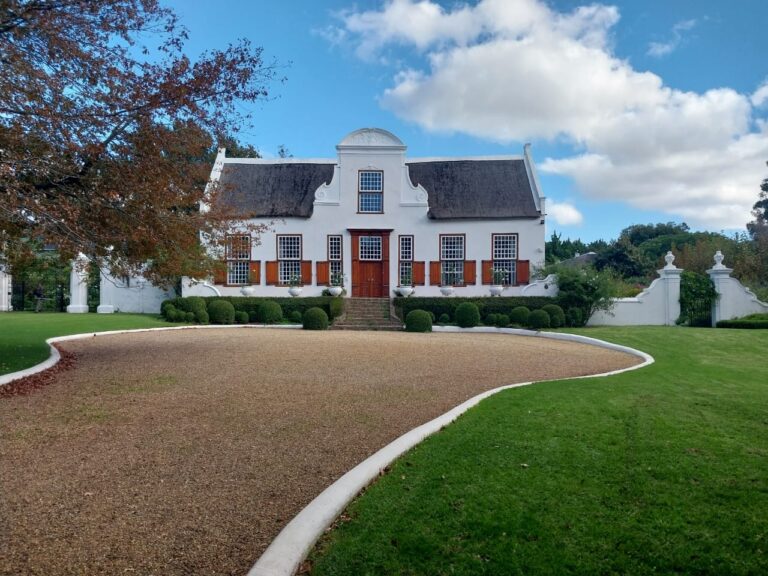
Discover the wine-producing village of Franschhoek. This charming town lies nestled between steep mountain slopes just outside Cape Town, situated in the heart of the Cape’s wine-producing region. It is world-renowned for the excellent wines produced here, and it is also regarded as the food and wine capital of South Africa, with its streets lined with many cafes and restaurants. French Huguenot settlers originally established Franschhoek in the late 1600s, and your tour will include a visit to the Huguenot Memorial Museum, displaying a large number of artefacts that illustrate the early life of the Huguenots, and the beautiful French-inspired Huguenot Monument, dedicated to the cultural influences that the Huguenots brought to the Cape Colony. Enjoy strolling through tree-lined streets and exploring art galleries, organic markets, boutiques, and award-winning restaurants.
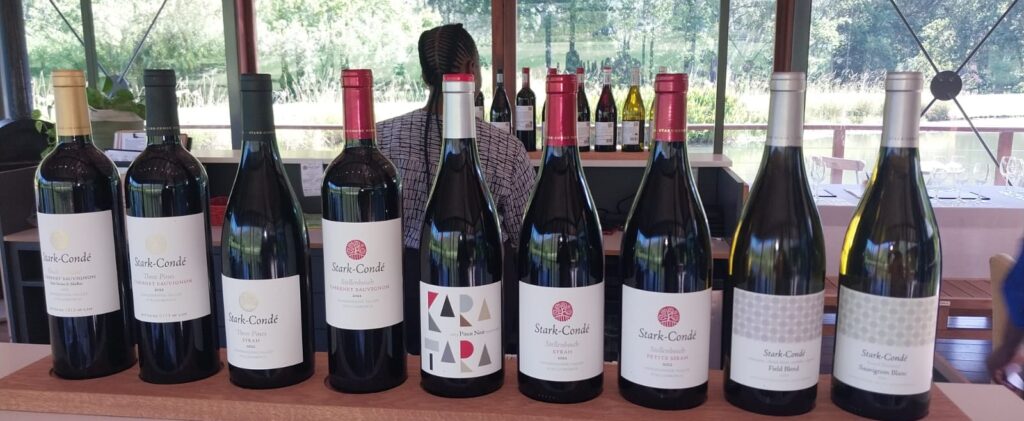
Wine tasting and lunch in the wine estate
Wander through the oak-lined streets of Stellenbosch. Lying at the foot of the Simonsberg mountains and within the grandiose Cape Winelands, Stellenbosch is internationally renowned for its award-winning wines, fantastic restaurants, trendy culture, and historic buildings. The town is the perfect place to explore on foot with its many sidewalk cafes and buzzy student vibe, owing to the large and prestigious university that is an icon of Stellenbosch culture. Many leading wine estates are found here, including Spier, Tokara, and Delheim, as well as some of the country’s best restaurants, where dining can be an informal al fresco affair or something more elegant and black tie.
Flight: Cape Town - Durban (Economy Class) (Optional L).
Welcome by your tour guide at King Shaka Airport and transfer to the hotel.
Dinner at the hotel
Night at the hotel
3 hours en route to St Lucia. A small, picturesque town which is an enclave within the Greater St Lucia Wetland Park. It is the only village located within a nature reserve and is your gateway to this natural wonder. There are many quaint restaurants, shops, and pubs along St Lucia's main street. With street names such as Hornbill Street, Pelican Street, Dolphin Avenue, and Tuna Avenue, you are left in no doubt as to where the loyalties of this quaint little town lie. Conservation is a high priority in St Lucia, with tourism being the main source of income for many of the local people.
Light Lunch on the boat (+/_2 hours)
Boat cruise on the Lake Saint Lucia Estuary. Situated within the iSimangaliso Wetland Park, the Lake Saint Lucia Estuary is a designated World Heritage Site that offers some of the most extraordinary waterscapes in the world. The network of coastal lakes, dunes, subtropical forests, swamps, and wetland systems provides a haven for indigenous flora and fauna, and the area is particularly popular with bird lovers. The Saint Lucia Estuary is one of the largest in Africa, and this amazing mass of water is home to approximately 800 hippos and over 1,000 Nile crocodiles. Antelopes and zebras graze its shores, and it is home to more than 500 species of birds, including large flocks of pelicans, flamingos, and ducks.
Dinner at the lodge
Night at the Hluhluwe Hotel
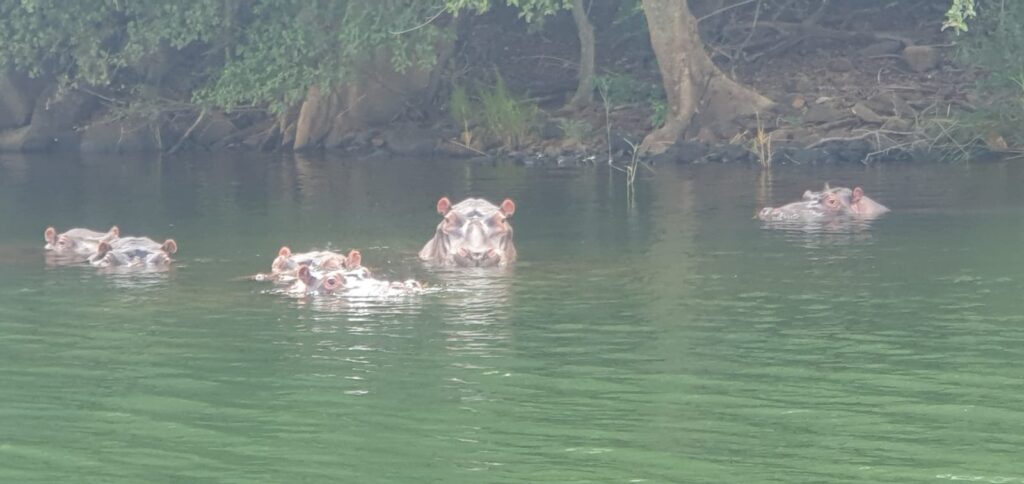
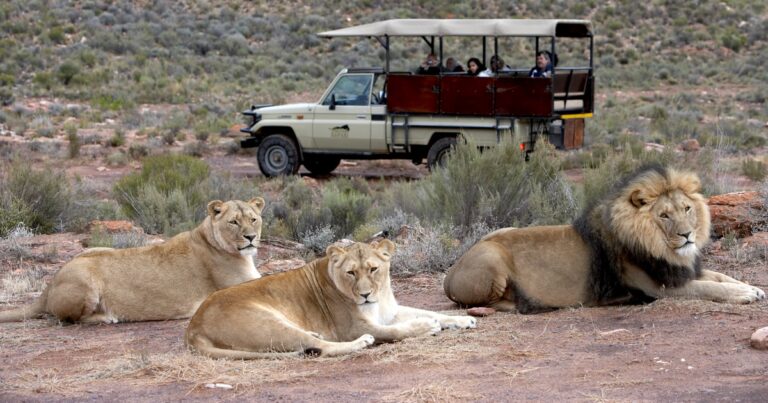
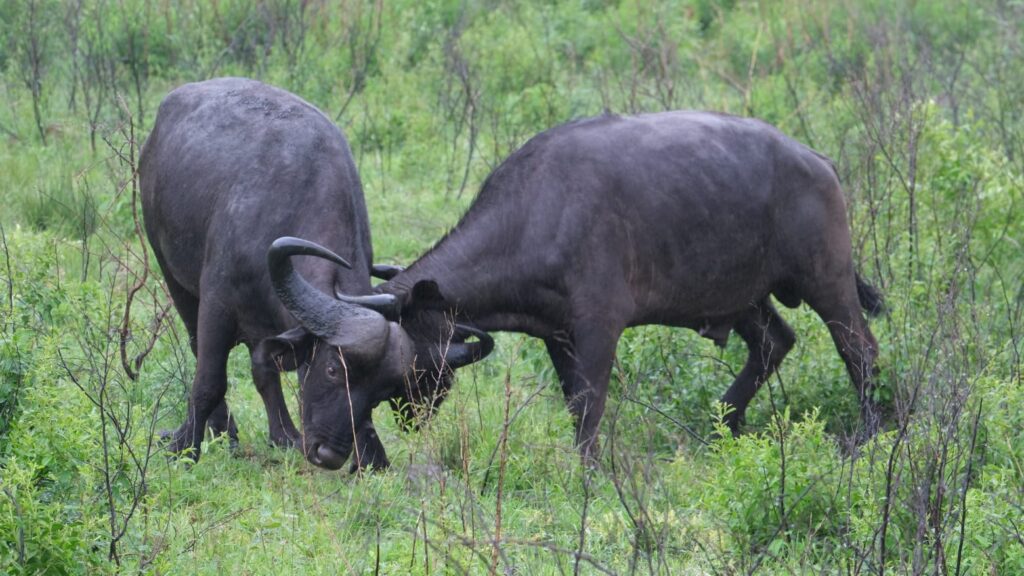
Morning Game drive: Three-hour 4x4 game drive in the Hluhluwe Game Reserve. This 96,000-hectare reserve is the oldest proclaimed game reserve in Africa and boasts a wealth of wildlife, including the Big Five and the endangered African wild dog. Your safari will explore the northern side of the park, a scenic, hilly area with patches of dense bush. The reserve is well known for its black and white rhino conservation efforts, and there are currently approximately 1,500 white rhinos and 360 black rhinos in Hluhluwe. The area is also well stocked with a variety of antelope species, including kudu, impala, waterbuck, bushbuck, and nyala. This picturesque reserve has a number of excellent viewing hides that overlook the watering holes, allowing visitors the opportunity of close-up wildlife viewing.
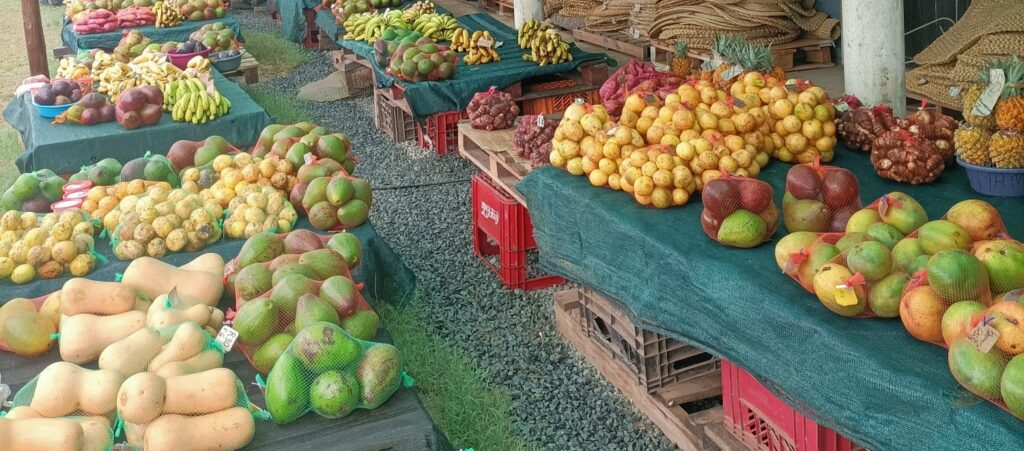
Admire the contrasting landscape of Lavumisa while traversing Swaziland. This tiny, independent country is locked between the provinces of Mpumalanga and KwaZulu-Natal in South Africa and Mozambique. The plains in the south-western part of Swaziland contrast sharply with the mountainous landscapes of the north, and here you will discover lush sugarcane fields alternating with bush savannah dotted with Swazi kraals. Near the southern border post of Lavumisa, the Lubombo Mountains loom majestically in the near distance. This sweeping mountain range covers practically the entire eastern side of the country and forms the natural border between Swaziland and Mozambique.
Lunch at Nisela
-On route towards Manzini, stop at Malkens (candle factory)
Admire glass masters at work at the Ngwenya Glass Factory. This glassblowing factory forms the central hub of an arts and crafts village in Swaziland, where visitors can watch craftsmen at work as they shape and mould molten glass into a variety of gorgeous pieces. The factory makes use of approximately 500 kg of recycled glass a day, which is crushed down and then melted in a furnace before the upcycle process begins, and the hot glass lava is transformed into new and beautiful shapes. As part of Ngwenya’s social upliftment programme, community members ranging from schoolchildren to adults are encouraged to collect discarded glass objects and bring them to the factory in return for payment.
Traverse the mountains towards Piggs Peak. Tucked away in the northwestern corner of Swaziland, Piggs Peak is a region once made famous for its spectacular gold mining and is now an important supplier of timber. The beautiful mountainous landscape has led to the area often being referred to as the ‘Switzerland of Africa’, filled with sparkling waterfalls, three of the highest peaks in the Kingdom of Swaziland, Bushmen paintings, nature reserves, and picturesque indigenous bushland. The town itself is filled with colourful African art and craft shops, while slightly further afield, you will find the historic Bulembu village, Emlembe, the highest mountain in Swaziland, and the Maguga Dam.
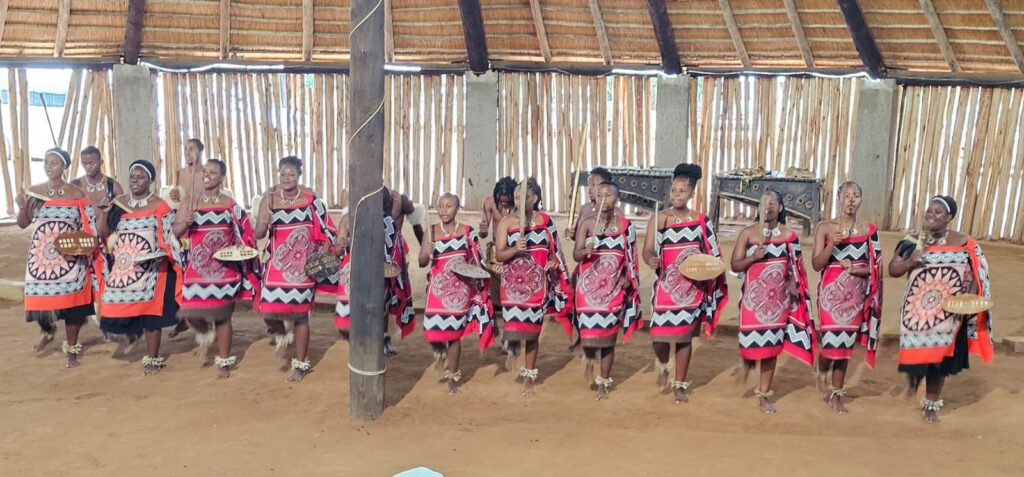
Lunch and dance at Matsamo village
Visit to the Matsamo Cultural Park. Located at the Jeppes Reef border, not far from the Kruger National Park, this educational cultural village offers visitors an introduction to the Swazi people, their culture, and traditions. It opened in 2000 to showcase the Swazi way of life and as a means for the Swazi people to celebrate their own culture, reminding younger generations of their rich heritage. The tour combines singing and dancing shows with an educational experience, highlighting the differences between Swazi and Western lifestyles and revealing why these differences have come about.
Travel to Kruger Park
Dinner at the hotel
Overnight at the hotel
Breakfast
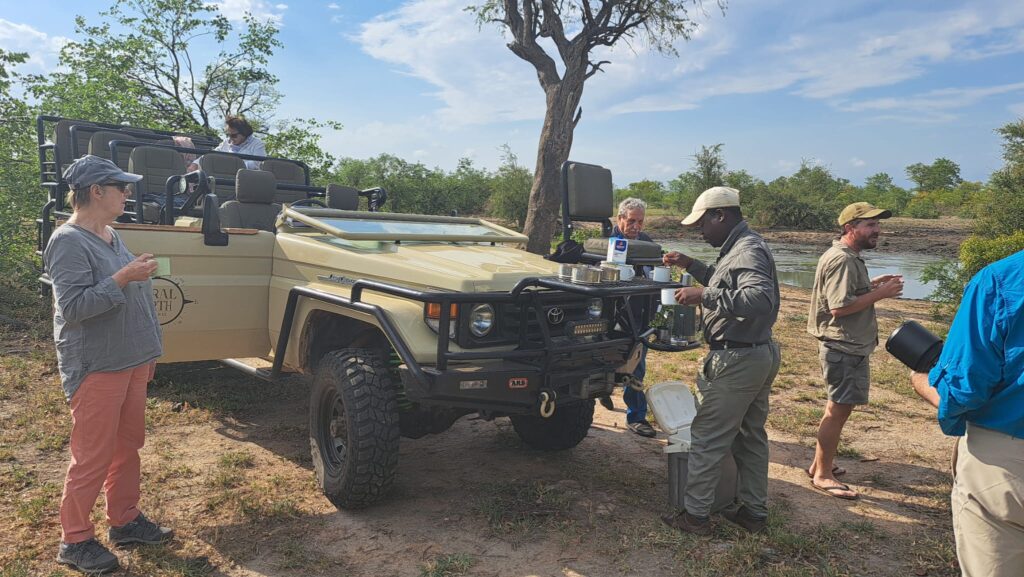
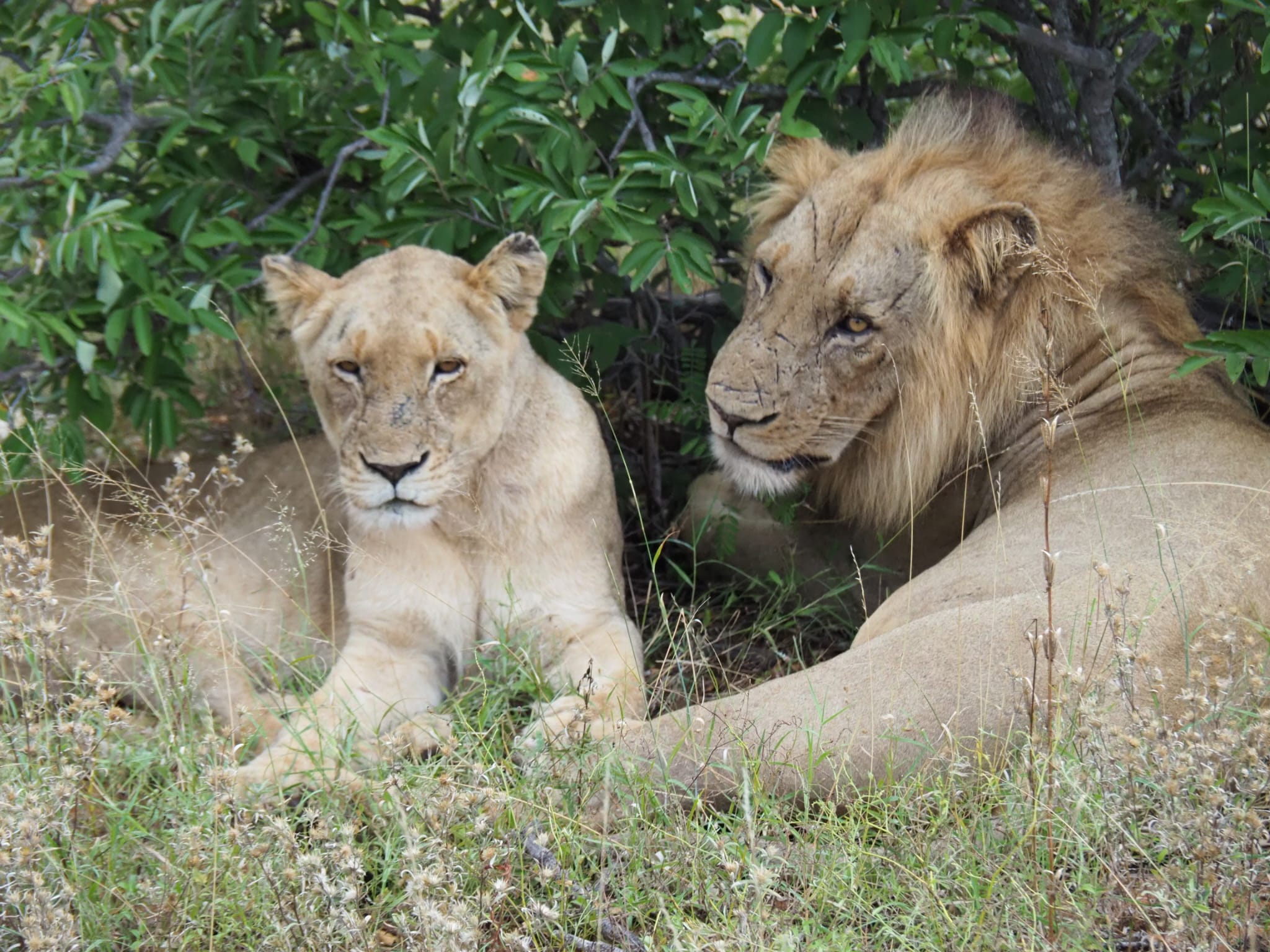
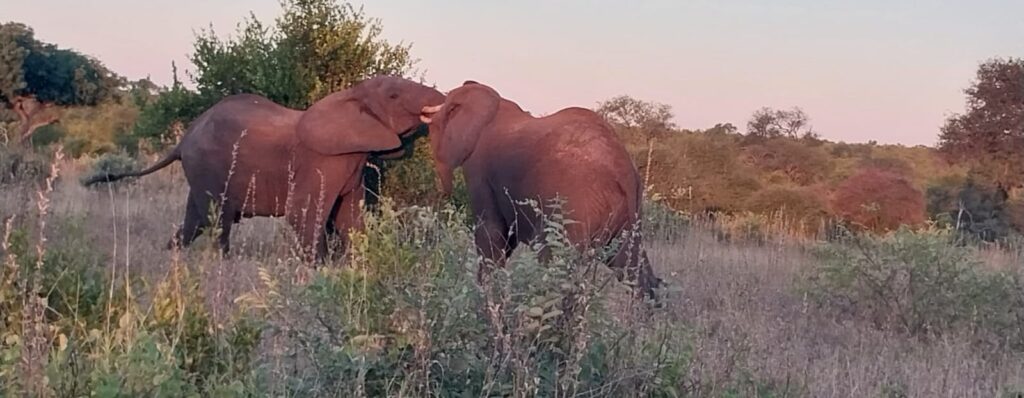
Full day 4x4 game drive in the Kruger Park. Your scheduled departure will leave from your hotel at dawn as you set out in an open 4x4 safari vehicle for a short drive to one of the park's gates and into the Kruger National Park. It is one of the largest game reserves in Africa, stretching across a vast 18,989 square kilometres in the provinces of Limpopo and Mpumalanga. With over 12,000 elephants, 27,000 African buffalo, and 1,000 leopards, the Big Five is well represented. White rhino sightings are frequent, while spotting a black rhino may require some patience and a bit of luck. There are more than 2,000 lions that prowl the plains. There are 147 species of free-roaming mammals in the Kruger. The reserve supports six different ecosystems and is home to 253 of the 517 species of birds that call this place home. Your morning safari concludes at one of the rest camps inside the reserve, allowing you to stretch and refresh. The 4x4 vehicle will allow you to get very close to the surrounding vegetation while your experienced ranger follows fresh animal spoor. Your safari concludes in the late afternoon before returning to the hotel
Overnight and dine at the hotel
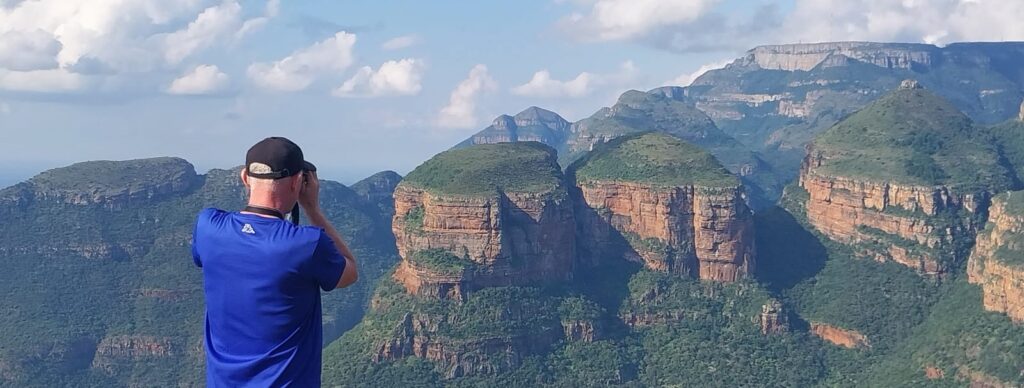
Make your way towards the Blyde River Canyon and Bourke’s Luck Potholes. This seemingly endless river canyon is filled with some of the most beautiful scenic vistas in South Africa. The Bourke's Luck Potholes mark the beginning of the canyon and comprise intriguing geological formations at the confluence of the Blyde and Treur rivers. The canyon itself is the 3rd largest in the world, covered in lush sub-tropical vegetation with an average depth of 750 metres and 25 kilometres in length. It consists mostly of red sandstone and has some of the deepest precipitous cliffs of any canyon on the planet.
Lunch at Kadisi
- Free time in Graskop
Overnight and dinner at the hotel
- Overnight and dinner at the hotel
Travel to Pretoria
Hit the highlands in Dullstroom. This picturesque village in Mpumalanga is best known for its fly fishing dams, quaint shops, and country restaurants. It forms part of the Highlands Meander, where fly fishing rules and old timers exchange news in the local pub and are rumoured to still make their own moonshine. Brisk outdoor adventure awaits, as the area offers many adventure trails, rock climbing opportunities, and hiking paths, as well as being home to three varieties of crane species and a stunning array of blooming wild flowers.
Lunch at Corn and Cob
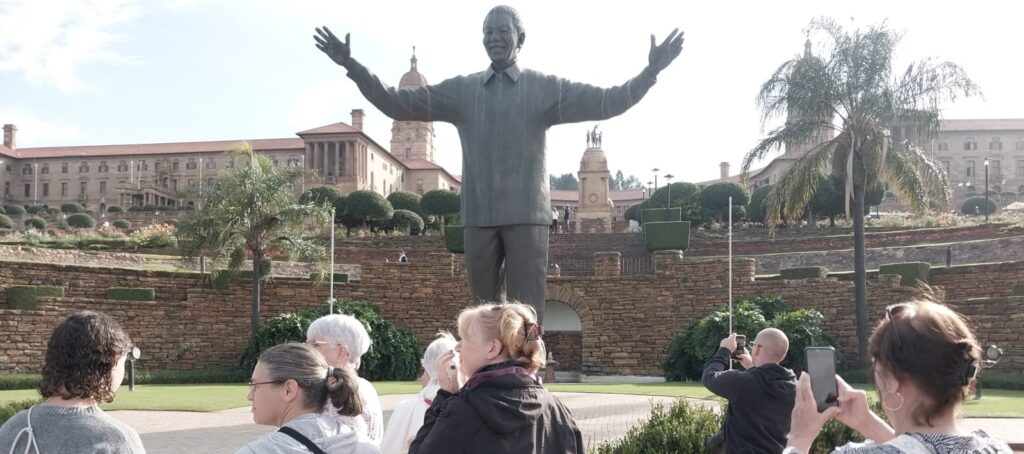
The Jacaranda City, as Pretoria is fondly called, is the administrative and diplomatic centre of South Africa that once served as the headquarters for the old independent Transvaal Boer Republic. Here you will find some of the iconic landmarks that represent the old independent Transvaal as well as the new democratic South Africa. The Voortrekker Monument is a massive memorial ringed by ox waggons that commemorates the exodus of disillusioned Afrikaners from the Cape. Church Square houses Die Raadsaal, the former parliament buildings of the Boer Republic, and the Paul Kruger House was the home of the Transvaal Republic’s president. The Union Buildings stand proud and tall, built in 1910, and now house the official seat of the South African government as well as a nine-metre statue of former president Nelson Mandela.
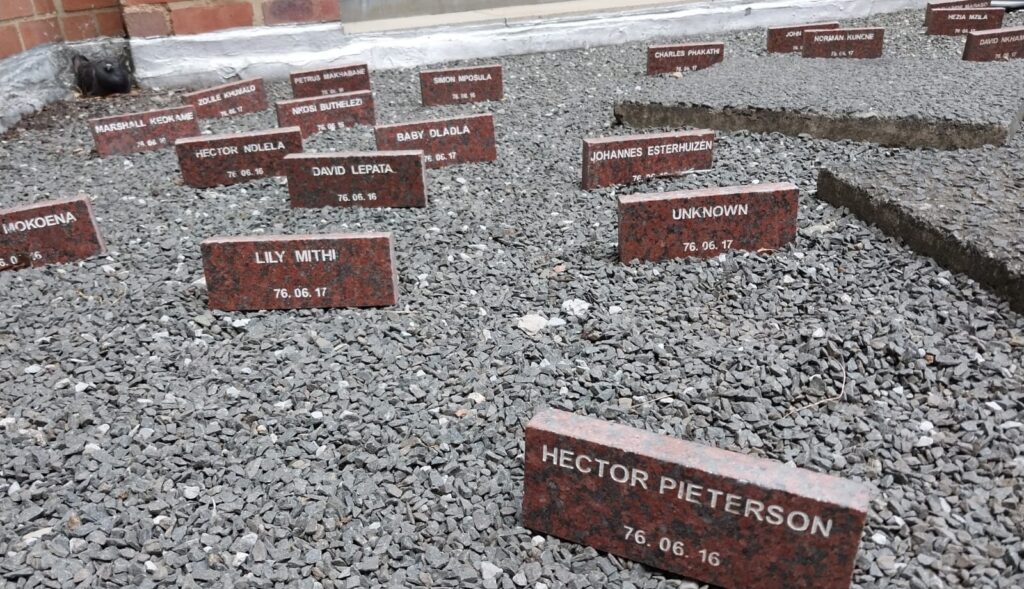
Orient yourself with greater Johannesburg on a full-day tour of Johannesburg, Soweto, and the Apartheid Museum. In the center of vibrant Johannesburg, Africa's third largest city, you start your explorations by looking for iconic structures like the multimillion-rand Nelson Mandela Bridge, the skyscraping Ponte City, Sentech and Carlton Centre Tower, and the Hillbrow Tower, one of the continent's tallest towers. The infamous system of racial discrimination that became synonymous with South Africa from 1948 until 1994, when the nation's first fully democratic elections were held, is on display at the Apartheid Museum, which is located south of the city and closed on Mondays and Tuesdays. The museum has two entrances labelled ‘white’ and ‘non-white’, giving visitors a tiny taste of some of apartheid’s prejudiced rules. More serious overtones to this system of racial classification can be observed inside the museum with harrowing personal testimonials and historical facts. Your tour rounds off with highlights of Soweto, such as the matchbox houses, FNB “Soccer City” Stadium, Hector Pieterson Memorial, Vilakazi Street, and Mandela House.